Cesarean Recovery Essentials: What C-Section Moms Actually Need for Healing
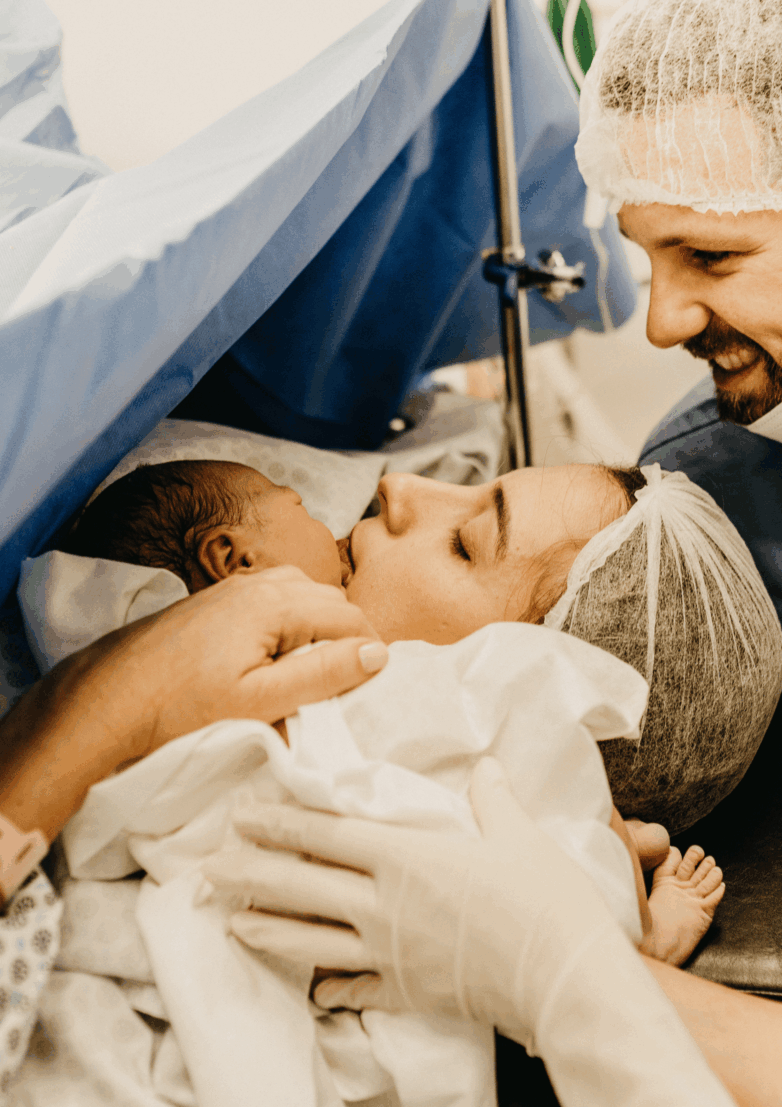
If you had a cesarean birth, your recovery involves healing from major abdominal surgery while also caring for a newborn. This is not a minor thing. You’ve had organs moved aside, abdominal muscles cut through, and multiple layers of tissue sutured back together—all while your body is also experiencing the universal postpartum changes every new mother goes through.
As both a labor and delivery nurse who has worked in Houston hospitals for over a decade and a certified doula through The Birthing Noire Collective, I’ve supported hundreds of cesarean births and the recoveries that follow. And I can tell you this: cesarean recovery requires specific care that addresses both the surgical aspect and the postpartum aspect of your healing.
Your incision needs protection and support. Your abdominal muscles need help as they heal and regain strength. Your body needs tools that make movement, feeding baby, and basic functions possible without excruciating pain.
Beyond the foundation postpartum essentials every mom needs, cesarean birth recovery requires dedicated items that support your incision, provide abdominal stability, and help you navigate the unique challenges of recovering from surgery while caring for a newborn.
Let me walk you through exactly what you need.
Why Cesarean Recovery Requires Different Support
Here’s what’s happening to your body after cesarean birth:
You’ve had major abdominal surgery. A cesarean involves cutting through seven layers of tissue—skin, fat, fascia, muscle (separated, not cut), peritoneum, uterus, and amniotic sac. Then all those layers are sutured back together. This is significant surgical trauma that requires time and specific care to heal.
Your core strength is temporarily gone. Your abdominal muscles have been separated to access your uterus. They cannot engage properly for weeks. This affects everything—standing up, sitting down, lifting, even coughing or laughing.
Movement is painful and difficult. Getting out of bed, walking to the bathroom, picking up your baby—all of these require engaging core muscles that have just been cut through. You need support to make movement possible.
You’re at risk for complications. Infection, wound separation, blood clots, and adhesions are all potential cesarean complications that proper care can help prevent.
You’re healing from surgery AND postpartum. You have all the same postpartum recovery needs as vaginal birth moms (bleeding, cramping, hormonal shifts, potential breastfeeding challenges) PLUS surgical recovery. It’s a lot.
All of this is normal after cesarean. None of it means something went wrong with your birth.
But you do need specific tools to support healing safely and comfortably.
The Cesarean Recovery Essentials: What Actually Helps
These items address the specific challenges of cesarean recovery. They support your incision, provide abdominal stability, protect healing tissue, and help you move and function during those first difficult weeks.
1. High-Waisted Postpartum Underwear
Regular postpartum underwear sits right across your incision line. High-waisted underwear sits above it, preventing painful rubbing and irritation.
What you need:
Postpartum underwear designed to sit high on your abdomen, well above where your cesarean incision is located.
Why it matters:
Your incision is typically made low on your abdomen, just above your pubic bone (the “bikini cut”). Regular underwear—including regular postpartum underwear—sits right across this incision.
In the first weeks when your incision is still healing, having fabric rub against it with every movement is painful and can irritate the healing tissue. High-waisted underwear:
- Sits several inches above your incision
- Prevents constant friction and irritation
- Provides gentle compression to your lower abdomen
- Holds postpartum pads securely (you still bleed after cesarean)
- Doesn’t fold or roll down onto your incision
You’ll still need regular postpartum underwear for the heavy bleeding, but for the first 2-3 weeks when your incision is most tender, high-waisted options make a significant difference in comfort.

2. Abdominal Binder for Support and Stability
An abdominal binder provides compression and support to your abdomen as your incision heals and your separated muscles begin recovering.
What you need:
A cesarean-specific abdominal binder that provides firm but comfortable compression across your entire abdomen.
Why it matters:
After cesarean, your abdominal muscles have been separated and cannot engage properly. This creates a feeling that many cesarean moms describe as “my insides might fall out.” An abdominal binder:
- Supports your incision site, reducing pain with movement
- Provides stability when standing, walking, sitting, or lifting baby
- Helps you engage your core muscles more effectively as they heal
- Reduces the sensation that your abdomen is unsupported
- May help prevent hernias by supporting weakened abdominal wall
- Assists with posture by supporting your core
- Can reduce swelling around the incision site
Many hospitals provide a basic binder before you’re discharged, but they’re often thin, uncomfortable, and don’t provide adequate compression. Investing in a higher-quality binder designed specifically for cesarean recovery is worth it for the weeks of healing ahead.
How to use it:
Wear the binder during the day when you’re active—standing, walking, holding baby, doing any movement. Remove it at night to allow your skin to breathe and prevent excessive compression while sleeping. Most providers recommend wearing it for 4-6 weeks postpartum or until you feel stable without it.

3. Silicone Scar Strips for Long-Term Incision Healing
Once your incision is fully closed and healed—typically 2-3 weeks postpartum after your provider has cleared you—silicone scar treatment can significantly improve how your scar heals long-term.
What you need:
Medical-grade silicone scar strips or sheets that you apply directly over your healed incision.
Why it matters:
Silicone has been clinically proven to improve surgical scar healing. When used consistently over several months, silicone strips:
- Reduce scar tissue formation
- Flatten and soften raised scars
- Reduce redness and discoloration
- Minimize itching as scar tissue forms
- Prevent keloid formation in people prone to them
- Improve overall appearance of surgical scars
The key word here is “consistently.” You need to wear these strips continuously (removing only to shower, then reapplying) for at least 8-12 weeks to see significant results. The sooner you start after your incision heals, the better your results.
Many cesarean moms wish they’d started scar treatment earlier. Don’t wait—order these now so you have them ready when your provider clears you to begin treatment (usually at your 2-week or 6-week checkup).
Important timing note:
Do NOT use scar strips on an incision that isn’t fully healed. Wait until all scabs are gone, there’s no drainage, and your provider has examined the incision and cleared you to use scar treatment. Starting too early can cause irritation or infection.

What About Pain Management?
You’ll notice I haven’t included prescription pain medication in this list. Here’s why:
Your hospital will send you home with pain medication (typically a combination of ibuprofen and a narcotic like oxycodone or hydrocodone). This is standard cesarean discharge protocol.
The items in this list work alongside pain medication, not instead of it. You need both—medication manages the pain, while these items provide the physical support that reduces pain and supports healing.
Don’t try to tough it out without pain medication. Cesarean is major surgery. Taking prescribed pain medication as directed for the first 1-2 weeks is appropriate and helps you move more, which actually speeds healing. You cannot heal effectively if you’re in too much pain to move.
From the foundation essentials list, you’ll also want ibuprofen once you transition off prescription medication. Ibuprofen is safe while breastfeeding and helps manage ongoing discomfort as you heal.
How Long Does Cesarean Recovery Take?
Here’s the honest timeline:
Days 1-3 (in hospital):
You’re on prescription pain medication. Getting out of bed requires help. Walking to the bathroom feels impossible. You need the abdominal binder to feel stable. This is the most physically difficult period.
Days 4-7 (first week home):
Pain medication is still essential. Movement is getting easier but still requires conscious effort. Your incision is tender but healing. You’re wearing the binder whenever you’re upright.
Weeks 2-3:
Transitioning off prescription pain medication to just ibuprofen. Movement is noticeably easier. You might still wear the binder for support during activity. Incision is healing well externally.
Weeks 4-6:
Most superficial healing is complete. You’re cleared by your provider (usually at 6-week checkup) to begin scar treatment. You might not need the binder anymore except for longer walks or strenuous activity.
Beyond 6 weeks:
External incision is healed, but internal healing continues for months. Your abdominal muscles are regaining strength slowly. Scar tissue is forming and remodeling. You can start gentle core strengthening exercises as cleared by your provider.
6-12 months:
Full internal healing is complete. Your scar has settled into its final appearance (especially if you’ve used scar treatment consistently). Core strength is approaching pre-pregnancy levels if you’ve worked on it.
Recovery time varies based on:
- Whether this was your first cesarean or a repeat
- Whether you labored before cesarean or had a scheduled cesarean
- Any complications during surgery
- Your overall health and fitness level
- How much help you have at home
But regardless of these factors, proper cesarean care speeds healing and prevents complications for everyone.
Don’t Forget the Foundation Essentials
These three cesarean-specific items are in addition to—not instead of—the foundation postpartum recovery essentials every new mother needs.
You still need:
- Postpartum underwear for bleeding (cesarean moms bleed just as much as vaginal birth moms)
- Pain relief medication (ibuprofen once off prescription meds)
- Afterease for uterine cramping (your uterus still contracts postpartum)
- Postnatal vitamins to support healing and milk production
- Stool softener (critical—pain medication causes constipation, and straining is terrible for healing incision)
- Large water bottle for hydration
- Heating pad (helps with gas pain, common after abdominal surgery)
See the complete foundation essentials list
And if you’re breastfeeding, you’ll need nursing-specific supplies:
Breastfeeding after cesarean? See what nursing moms need
What if You Had Vaginal Birth Instead?
If you had a vaginal birth, you can skip this cesarean recovery section. Your recovery focuses on perineal healing rather than incision care.
Vaginal birth? See perineal recovery essentials
When to Get These Items
Order all cesarean recovery supplies during your third trimester (around 32-36 weeks) so they’re ready if you need them.
Here’s why this timing matters:
You might not know you’re having a cesarean until labor. Even if you’re planning vaginal birth, unplanned cesareans happen. Having these items ready means you’re prepared regardless of how birth unfolds.
If you’re having a scheduled cesarean, you’ll want everything waiting at home for when you’re discharged from the hospital.
You’ll need them immediately. The hospital provides basics, but you’ll want your own high-quality binder and high-waisted underwear starting day 1-2 postpartum.
Recovery supplies help you heal faster. Waiting to order until after cesarean means you’re struggling without proper support during the most difficult days.
Special Note: Breastfeeding After Cesarean
Breastfeeding after cesarean presents unique challenges that aren’t just about having the right supplies—though you do need nursing essentials if you’re breastfeeding.
Positioning is critical. Your incision makes many standard nursing positions painful. You’ll need to:
- Use lots of pillows to protect your incision
- Experiment with side-lying position
- Try football hold to keep baby off your abdomen
- Ask for help positioning until you find what works
Your milk might come in later. Studies show milk can come in 12-24 hours later after cesarean compared to vaginal birth, possibly due to missing the hormonal cascade of labor or the stress of surgery.
You need extra support. At The Birthing Noire Collective, our lactation specialist specifically helps cesarean moms navigate positioning challenges and ensures breastfeeding gets established despite the added difficulty of surgical recovery.
How The Birthing Noire Collective Supports Cesarean Recovery
These supplies support the physical aspects of cesarean healing, but recovery from major surgery while caring for a newborn requires more than just products.
At The Birthing Noire Collective, our postpartum support for cesarean moms includes:
- Home visits to check on incision healing and watch for infection signs
- Assessment of whether healing looks normal or requires provider follow-up
- Practical help with positioning for breastfeeding that protects your incision
- Emotional support through the unexpected change if cesarean was unplanned
- Processing your birth experience, especially if you feel disappointed or traumatized
- Recognition of complications requiring immediate medical attention
- Validation that cesarean recovery is hard and you’re not weak for struggling
We support your physical healing, but we also support you emotionally through the reality of major surgery recovery while caring for a newborn. Because it’s hard. And you deserve support through it.
Ready to ensure you have comprehensive support for cesarean recovery?
to discuss how The Birthing Noire Collective can support your postpartum journey after cesarean birth. Because surgical recovery deserves dedicated care and professional support.
The Bottom Line: Cesarean Is Major Surgery
Your body just went through significant surgical trauma to bring your baby into the world. That incision needs protection, your abdomen needs support, and your recovery deserves the same level of attention and care as any other major abdominal surgery.
These three items—high-waisted underwear, abdominal binder, and silicone scar strips—address the specific physical challenges of cesarean recovery. They protect your incision, provide stability as you move, and support long-term healing of surgical scar tissue.
This isn’t about being high-maintenance. This is about basic surgical aftercare for someone recovering from major abdominal surgery while also caring for a newborn.
Don’t wait until you’re struggling to order these. Prepare now, even if you’re planning vaginal birth—because cesareans can be unplanned.
And remember: these items work best alongside the foundation recovery essentials every postpartum mom needs, plus nursing supplies if you’re breastfeeding.
Because cesarean recovery deserves the same preparation, care, and support as any other birth.
I earn a small commission from amazon for the items listed